Our Southeast Asia journey began on April 11th as we departed on Cathay Pacific for what would become an unforgettable blend of luxury, culture, history, and extraordinary culinary experiences across Bali, Indonesia, Singapore, Vietnam, Cambodia, and Thailand.
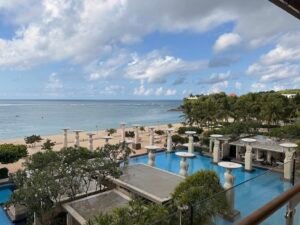
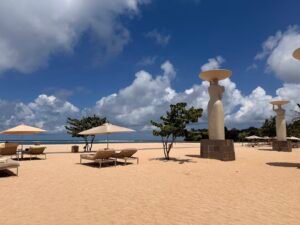
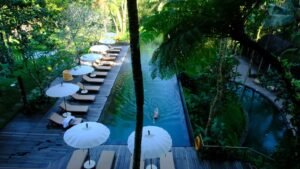
We arrived in Bali on April 12th and checked into the magnificent Mulia Resort in Nusa Dua, where we stayed through April 16th. Set along the pristine white sands of Nusa Dua Beach overlooking the Bali Sea, the resort immediately set the tone for the trip. The property was breathtaking in every way — expansive tropical grounds, impeccable service, multiple world-class restaurants featuring Chinese, Japanese, and Thai cuisine, and a luxurious room complete with a private hot tub on our balcony. It was the perfect place to unwind after the long journey, and the beach service and overall hospitality were among the best we have ever experienced.
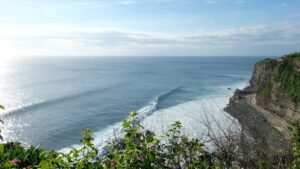
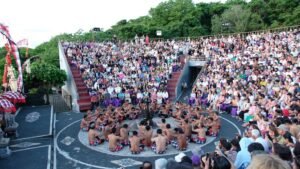
After a day of pure relaxation, we met our private guide and traveled to the spectacular Uluwatu Temple, dramatically perched atop a 70-meter cliff overlooking the Indian Ocean. Dating back to the 11th century, the temple offered sweeping panoramic views made even more magical by the golden hues of sunset. As evening approached, we attended the famous Kecak Fire Dance performance held in the temple’s open-air amphitheater. The rhythmic chanting of dozens of performers, combined with the blazing sunset and dramatic storytelling from the Ramayana epic, created one of the most mesmerizing cultural experiences of the trip.
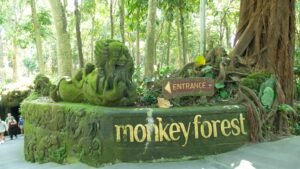
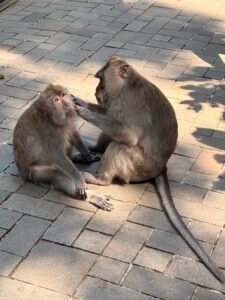
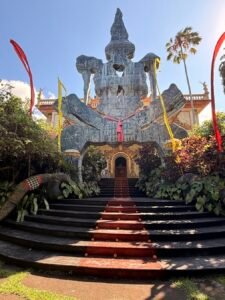
On our final day in Nusa Dua, we explored the artistic and spiritual heart of Bali — Ubud. We began at the Sacred Monkey Forest, a lush sanctuary filled with ancient Hindu temples, moss-covered statues, and playful macaques roaming freely through the jungle setting. We then visited a local community space where we learned how to create Canang Sari, the small floral offerings central to daily Balinese spiritual life. Walking through Ubud’s vibrant art market gave us a glimpse into the island’s creative soul before we visited the former home of renowned painter and architect Gusti Nyoman Lempad, one of Bali’s most influential artistic figures. The day concluded at the Blanco Renaissance Museum, once the residence and studio of Antonio Blanco, where we explored a fascinating collection of works spanning his career.
On April 16th, we transferred to Komaneka at Bisma, a serene luxury resort nestled within the tropical rainforest overlooking the Campuhan River Valley. The setting felt absolutely magical. Our villa featured stunning jungle views and a private plunge pool. Unfortunately, our days were packed with extensive touring, leaving little time to fully enjoy the property itself.
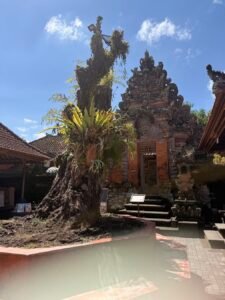
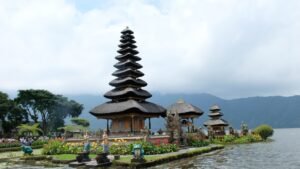
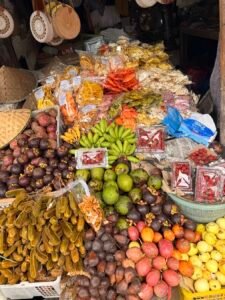
One of our touring days included a visit to the traditional Bedugul Market, where we learned about the spices and herbs central to Balinese cuisine. From there we continued to beautiful Lake Beratan before ending the day at the Royal Temple of Mengwi, a remarkable example of classic Balinese architecture built in 1634 for the Mengwi dynasty.
On April 18th, prior to boarding our cruise, we participated in a private Balinese cooking class that began with a fascinating visit to a local market to select and learn about the fresh ingredients we would later use. It was a wonderful culinary immersion and a perfect farewell to Bali.
Later that day, we boarded the Regent Seven Seas Navigator for a 14-day luxury cruise through Southeast Asia.
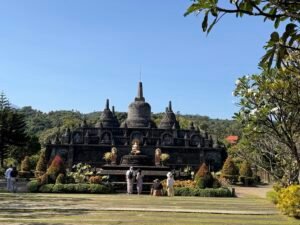
Our first stop on April 19th was Celukan Bawang, Indonesia, where we toured Brahmavihara Buddhist Temple and the Banjar Natural Hot Springs. The temple was peaceful and interesting, while the hot springs themselves were somewhat underwhelming.
On April 20th, we arrived in Surabaya and joined the Surabaya Heritage Tour. We explored Kampong Lawas Maspati Village and observed local cultural traditions before visiting the historic Majapahit Hotel, which served as Japanese headquarters in East Java during World War II.
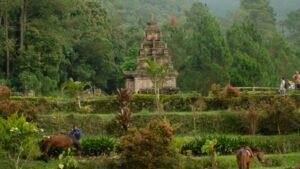
The following day in Semarang proved to be one of the more adventurous excursions. We toured ancient temples, reaching one of them on horseback after a long and bumpy journey through steep hills and rugged roads. Despite the difficult ride, the experience itself was memorable and rewarding.
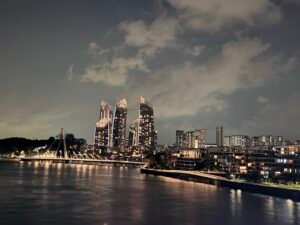
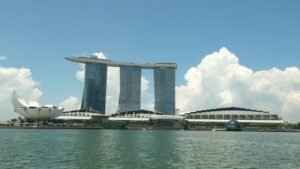
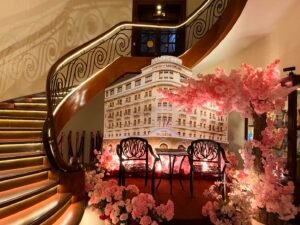
After a relaxing sea day on April 22nd, we arrived in Singapore for a two-day stay. Singapore was truly one of the highlights of the cruise portion of the trip. We visited the legendary Raffles Hotel, birthplace of the iconic Singapore Sling, which we naturally had to try — and it was excellent. We also enjoyed a comprehensive city tour that left us deeply impressed by Singapore’s remarkable transformation over the past fifty years. The cleanliness, efficiency, infrastructure, and overall quality of life were extraordinary. The city felt modern, safe, organized, and incredibly sophisticated.
On April 26th, we arrived in Vietnam, where we spent two days in Ho Chi Minh City and one in Cam Ranh. Our first evening featured an excellent nighttime tour of Saigon complete with a delicious local dinner. The following day included visits to the Reunification Palace and a museum that provided important historical perspective on Vietnam’s complex past. While the city itself felt crowded, dirty, and visibly poor in many areas, the people were welcoming and the food was excellent. We also visited the Ben Thanh Market, which was somewhat disappointing, though we did enjoy a fantastic local meal nearby.
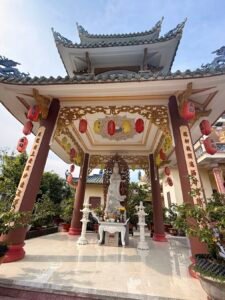
In Cam Ranh on April 28th, we toured the ancient Po Nagar Towers, visited a pagoda, and explored Dam Market. The excursion was interesting, though the intense heat and humidity were exhausting.
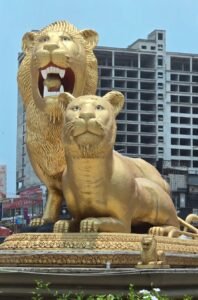
After another sea day, we arrived in Cambodia on April 30th. Our tour there was both eye-opening and emotional. We visited a local village and school, gaining insight into everyday life in a country still facing significant economic hardship. Despite the poverty and difficult conditions, the people we encountered were warm, kind, and welcoming. We also had the chance to swim in the ocean, though the water was so warm it felt more like a giant hot tub than the sea.
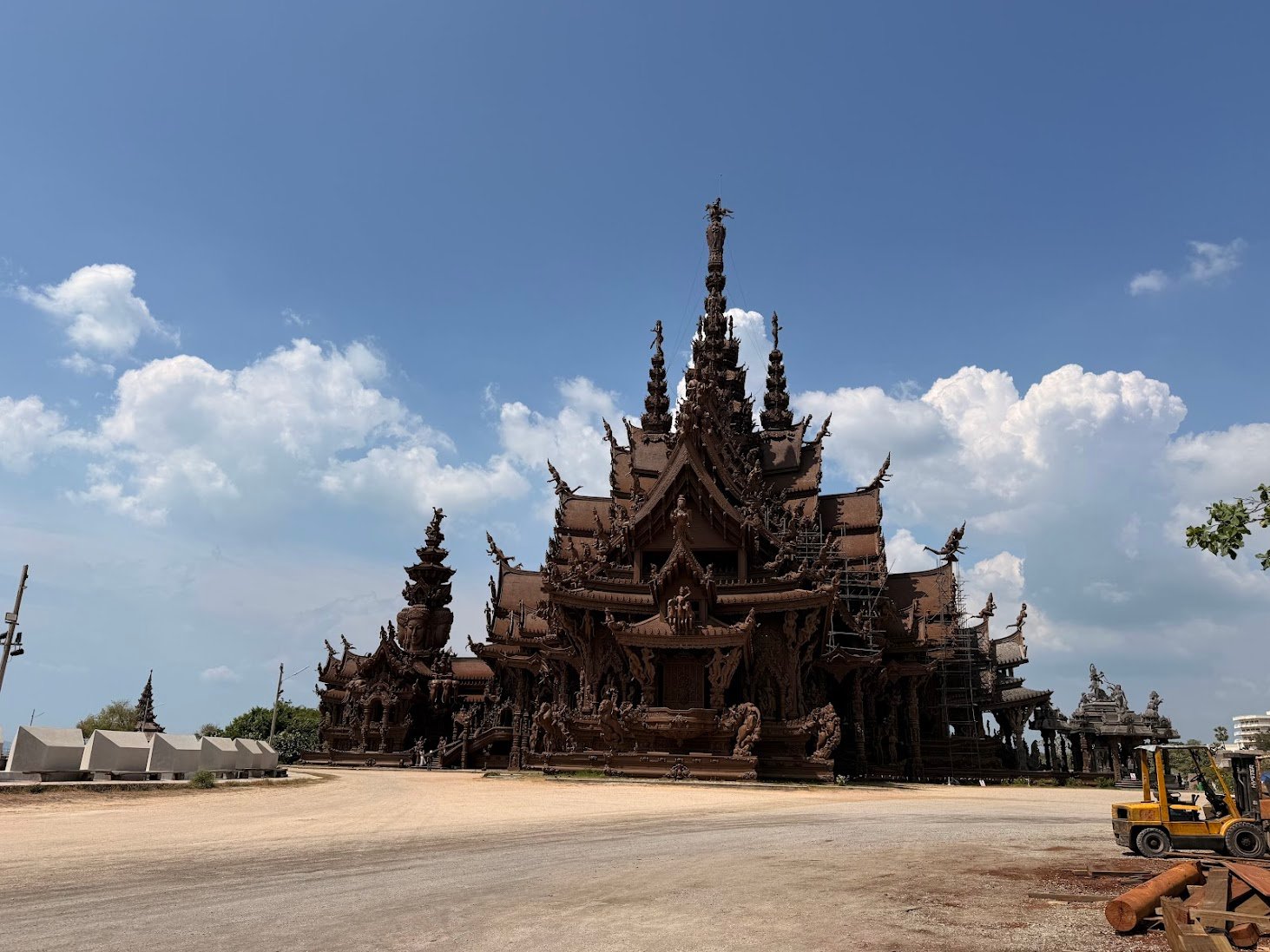
On May 1st and 2nd, we docked near Bangkok. Since we would later spend additional time in the city itself, we opted for a more local tour of Pattaya, visiting a sanctuary, a floating market, and a large Buddha statue.
On May 2nd, we disembarked the ship and met our outstanding private guide, Kong, who transferred us to the Waldorf Astoria Bangkok, where we stayed for four nights. Kong was exceptional — knowledgeable, professional, personable, and deeply committed to making our experience unforgettable. His excellent English and warm personality elevated every aspect of our stay.
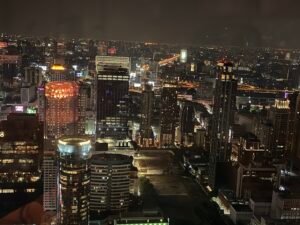
That evening, Kong introduced us to Bangkok through its efficient public transportation system before bringing us to the spectacular Mahanakhon Skywalk rooftop observation deck. Arriving just before sunset allowed us to enjoy sweeping views of Bangkok’s skyline while relaxing with cocktails high above the city.
From there, we headed to one of the most unique dining experiences imaginable: DID — Dine in the Dark — located inside the Sheraton Grande Sukhumvit. Served entirely by visually impaired staff, the meal took place in complete darkness, forcing us to rely solely on taste, smell, and touch. It was an extraordinary and unforgettable experience.
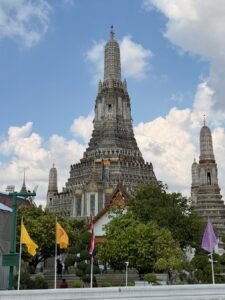
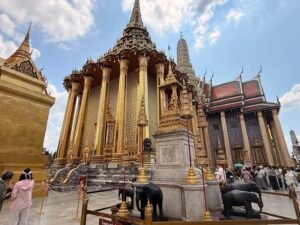
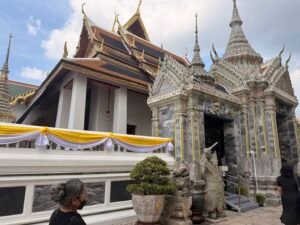
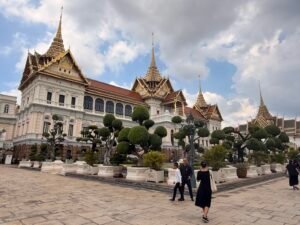
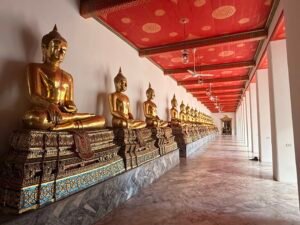
The following day we explored Bangkok’s major landmarks, including the magnificent Grand Palace and several iconic temples while learning about Thailand’s royal and spiritual heritage. The sites were extraordinary, though the intense heat made the day physically challenging.
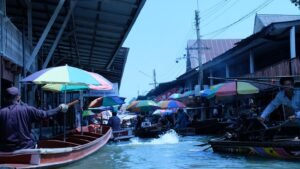
On May 4th, we ventured outside the city to visit the famous railway market, where vendors rapidly clear their goods from the train tracks moments before trains pass directly through the market. Watching the process unfold was fascinating. We then continued to the floating market at Damnoen Saduak. While certainly touristy, it still provided a glimpse into a traditional way of commerce that once defined life along Thailand’s canals.
Our final full day in Bangkok was devoted to food. We participated in a cooking class at the legendary Blue Elephant restaurant, which was absolutely outstanding. That evening we embarked on a twilight culinary journey by tuk tuk through Bangkok’s vibrant streets, sampling exceptional local dishes ranging from Guay Tiew Gai and Pad Thai to seafood sukiyaki. Every stop had been recognized by the Michelin Guide with the Bib Gourmand distinction, and every bite was exceptional.
This remarkable journey through Southeast Asia combined luxury accommodations, fascinating cultural experiences, extraordinary food, and unforgettable moments. Special thanks go to Bebe Halimi, whose expertise and connections helped make every aspect of the trip seamless and truly extraordinary.
Rating 8.7/10