



Subscribe to my newsletter




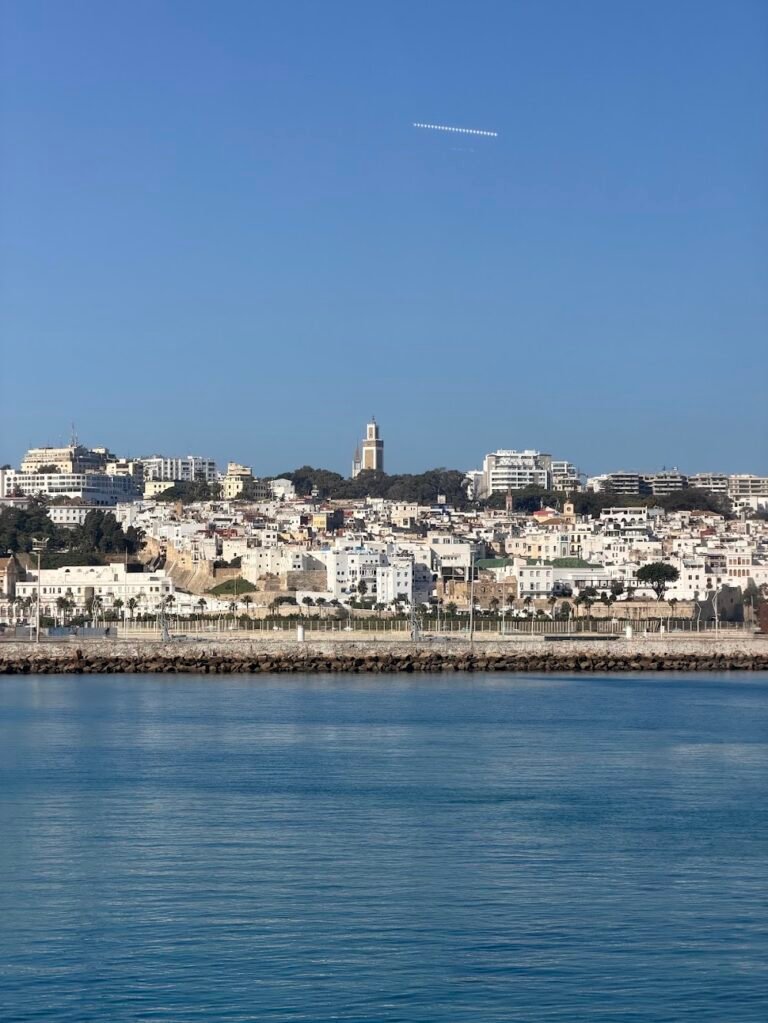
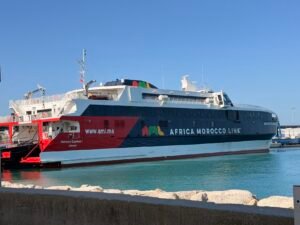
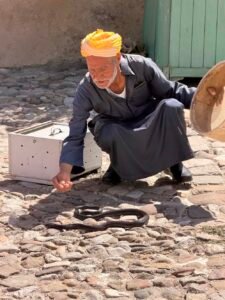
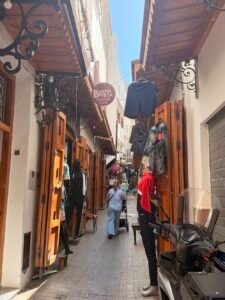

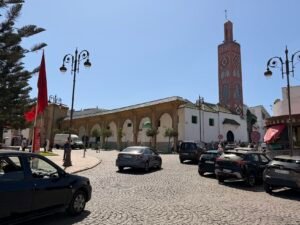
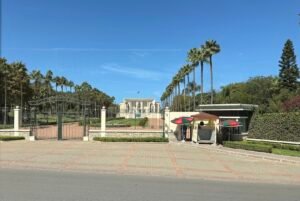
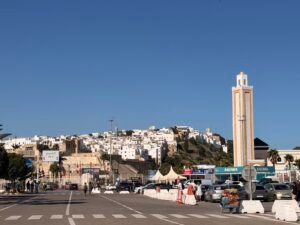

We traveled to Tangier, Morocco, by ferry from Tarifa, Spain, crossing the Strait of Gibraltar to begin our one-day adventure in this fascinating Moroccan city. The ferry ride itself was a memorable part of the experience, taking me from southern Europe to North Africa and into a completely different culture and atmosphere.
We explored Tangier’s most famous landmarks, historic neighborhoods, and spectacular coastal scenery on a one-day tour. The tour combined comfortable transportation with a guided walking tour through the heart of the city.
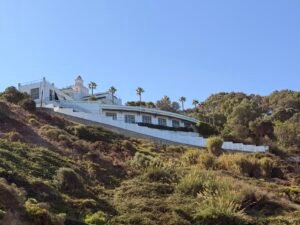
We began with a panoramic drive through Tangier, passing elegant neighborhoods, historic landmarks, and scenic viewpoints while the local guide shared stories about Tangier’s fascinating Moroccan, European, and international heritage.
One of the most interesting aspects of Tangier is its multicultural character. The city has long been a meeting place of different cultures and traditions, and we saw how people of different religions and backgrounds live alongside one another. This diversity is an important part of Tangier’s identity and history and was one of the things that made my visit particularly interesting.
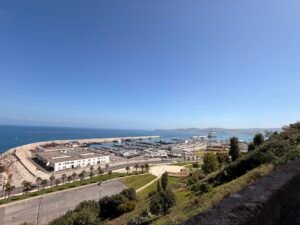
We continued to Cap Spartel, one of the region’s most impressive coastal locations, where the Atlantic Ocean meets the Strait of Gibraltar. The sweeping views were spectacular, and we had plenty of opportunities to take photographs and enjoy the beautiful scenery.
Next, we visited the legendary Hercules Caves, a natural and cultural landmark associated with ancient mythology and local history. We also had the opportunity to enjoy an optional camel ride, which added a fun and memorable experience to the day.
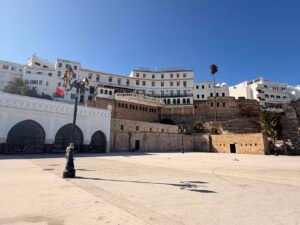
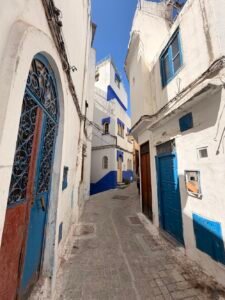
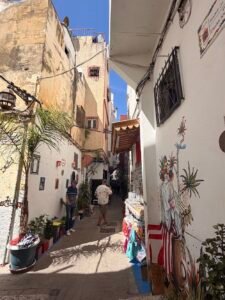
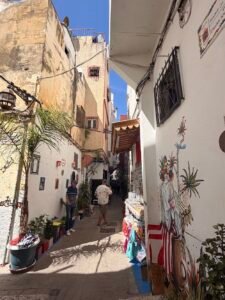
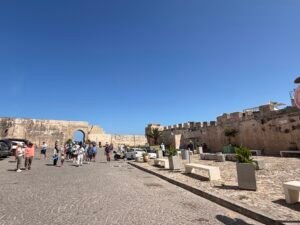
After exploring the coastline, we returned to Tangier’s historic center for a guided walking tour through the Kasbah and Medina. We wandered through narrow streets, admired traditional Moroccan architecture, explored colorful markets, and watched local artisans and shopkeepers going about their daily lives.
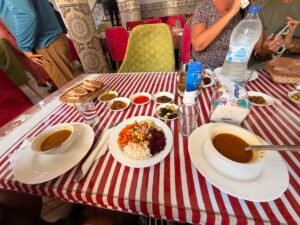
We also enjoyed a typical Moroccan lunch, giving us the opportunity to experience some of the country’s traditional flavors and warm hospitality. It was one of the highlights of the day and gave us an authentic taste of Moroccan culture.
Our tour continued through Grand Socco, the lively square where historic Tangier meets the modern city. Along the way, we learned about Tangier’s strategic location, multicultural past, and the many artists, writers, and travelers who have been inspired by the city over the years.
There was also time to take photographs, browse for souvenirs, and simply enjoy the atmosphere of this remarkable city before returning to the ferry for our journey back to Spain.
Tangier was a fascinating experience—a city where Africa and Europe, and the Atlantic and Mediterranean worlds, come together. Traveling by ferry from Tarifa made the experience even more special, taking us from Spain to Morocco in just a short journey. Its rich history, diverse cultures, welcoming people, beautiful scenery, and unforgettable Moroccan cuisine made our one-day visit truly memorable