







Author

Aron

Browsing

What is Jerk Chicken?

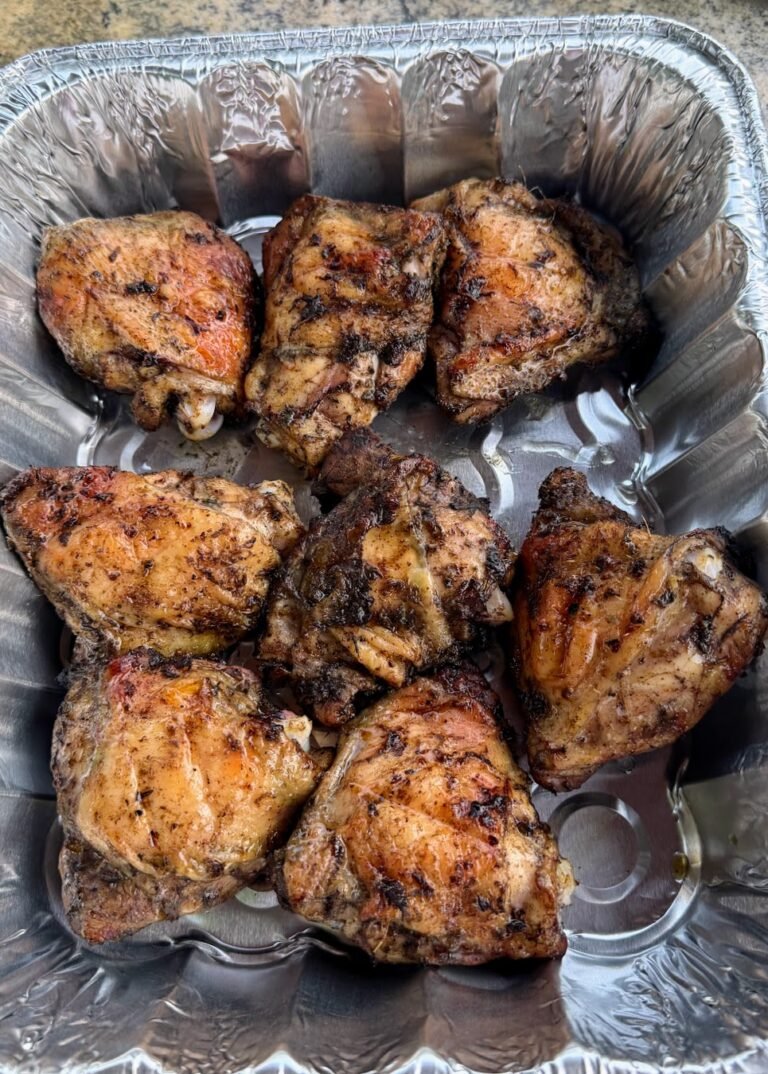
Jamaican jerk chicken is a popular, flavorful dish known for its bold spice and smoky grilled taste. It is typically made with bone-in chicken pieces that are marinated overnight in a jerk seasoning blend, then grilled. The long marination helps the flavors deeply penetrate the meat, creating juicy and flavorful chicken.

What Does Jerk Chicken Taste Like?

Authentic jerk chicken delivers bold, pungent flavors with a spicy kick from Scotch bonnet peppers. It combines warm, smoky, and spicy notes with subtle sweet undertones, creating a rich and unforgettable taste.

What is Jamaican Jerk?

The word “jerk” refers to a style of cooking native to Jamaica. Jamaican jerk seasoning can be either a dry rub or a wet marinade made from a blend of herbs, spices, and peppers. It is commonly used on meats, seafood, vegetables, and even pasta. The flavor profile is spicy, smoky, woodsy, and deeply aromatic.

Traditionally, jerk foods are cooked slowly over an open coal or wood fire to achieve their signature smoky taste. At home, I use a Weber grill with natural charcoal and a few pieces of mesquite wood. Once the charcoal is hot, I place it inside a vortex and arrange the chicken around it on the grill grate for indirect cooking and smoking. This method creates incredibly flavorful, juicy chicken with a delicious smoky finish.

The ingredient combination I use is how I enjoy jerk chicken, but depending on your preference, it may be too spicy or salty for someone. Feel free to adjust the seasonings to suit your taste.

INGREDIENTS

  • 8 chicken thighs on the bone
  • Olive Oil about 2 tbsp
  • Waka’s Wood jerk Seasoning (Mild, Medium or Hot) about 1 tbsp
  • Green Seasoning 1/2 tbsp
  • Maggies Jerk Seasoning 1-1.5 tbsp
  • All purpose Seasoning ½ tbsp

DIRECTIONS

  • Place the chicken in a bowl and add all of the ingredients
  • Rub the chicken well making sure you cover all of the pieces including under the skin
  • Cover and let the chicken marinate over night in the refrigerator
  • The next day take the chicken out and let it get to room temperature
  • Light the charcoal and let the charcoal get nice and hot (grey in color)
  • Pour the charcoal into a vortex and add 2 pieces of mesquite wood
  • Lay the chicken around the vortex, cooking it using the indirect heat  method (do not lay the chicken directly over the charcoal it will burn quickly)
  • Put the Weber top on with all of the holes open (top and bottom)
  • Cook on each side for about 20 minutes or until the temperature reaches 165 degrees; flipping as needed.
  • Take the chicken off the grill when it reaches 165 and let it stand for 5 minutes for all of the juices to flow back in. Enjoy!

Ingredients (Serves 3–4)

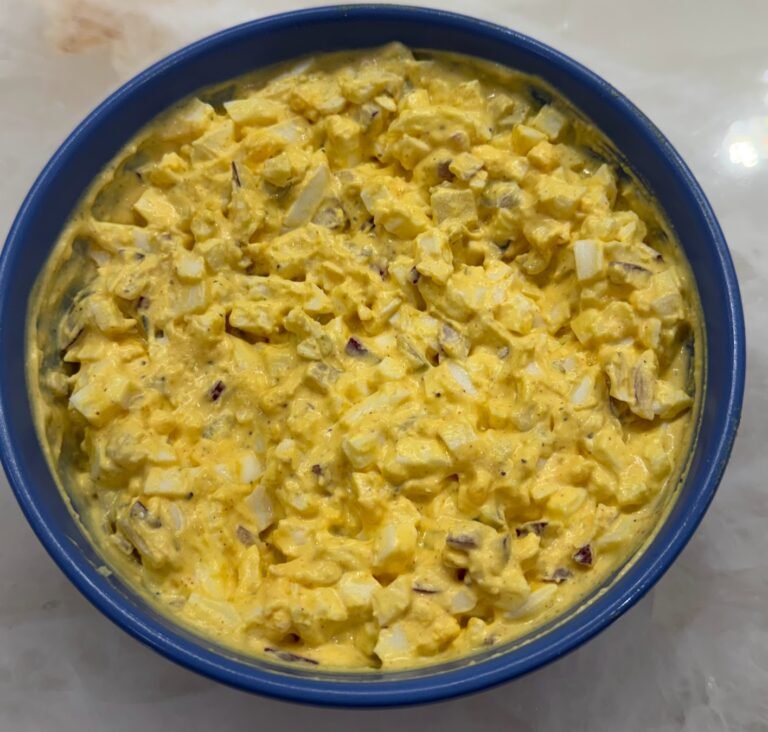
  • 8 large eggs, hard boiled and peeled
  • ¼ cup red onion, finely diced
  • ¼ cup dill pickles, finely chopped
  • ⅓–½ cup mayonnaise (adjust to your preferred creaminess)
  • 1–2 tsp Dijon or yellow mustard
  • ½ tsp paprika
  • ¼ tsp garlic powder
  • Salt, to taste
  • Black pepper, to taste

Optional Add-Ins

  • 1 tsp pickle juice
  • ½ tsp celery salt
  • Chopped fresh dill or chives
  • A dash of hot sauce or cayenne for mild heat

Directions

  • Place eggs in a pot and cover with water. Boil the eggs for 10 minutes
  • Transfer the eggs to an ice bath. After about 10 minutes, peel the eggs
  • Chop the eggs into small pieces or use an egg slicer
  • Place in a mixing bowl
  • Add mayonnaise, mustard, paprika, garlic powder, salt, and pepper into the bowl. Stir to combine
  • Mix in the diced red onion and chopped pickles. Add a splash of pickle juice if desired
  • Taste and adjust; add more mustard for tang, mayo for creaminess, or paprika/garlic powder for extra flavor
  • Enjoy!


Olivetta in South Norwalk delivered a solid dining experience from start to finish. We were greeted with a smile upon arrival, immediately setting a welcoming tone for the evening. The restaurant has a cozy, warm atmosphere that makes it comfortable for both a relaxed dinner and a lively night out. The bar area stands out with attractive high-top tables, creating a great space to enjoy a drink before dinner or simply soak in the ambiance.

The drink menu offered plenty of appealing options, and the food menu featured a wide variety of choices, making it easy to find something for everyone.

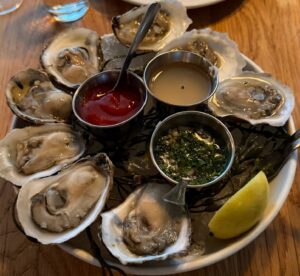
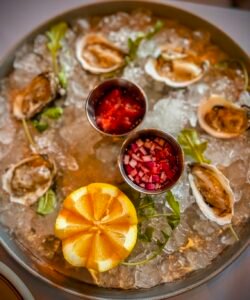
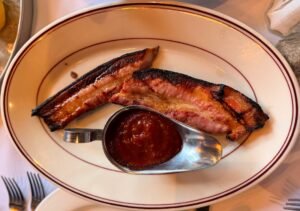
We started with the Thick Cut Bacon, which was very flavorful and paired nicely with the accompanying steak sauce. While delicious, it was served slightly more burnt than ideal. The Blue Point Oysters were exceptionally fresh and one of the highlights of the meal, served with classic mignonette and cocktail sauce that complemented them perfectly.

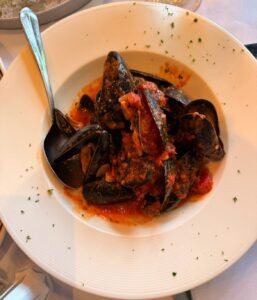
Next came the Mussels Fra Diavolo in a light tomato sauce. Although the mussels themselves were enjoyable, the sauce lacked depth of flavor and came across a bit watery, making this dish less memorable than the others.

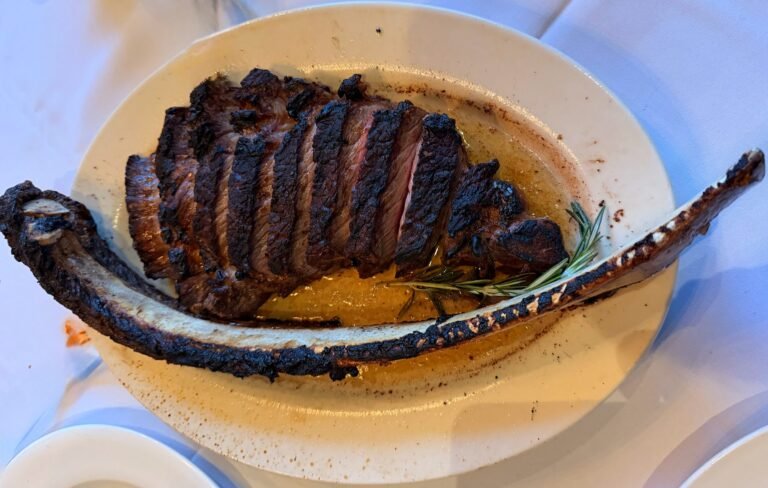
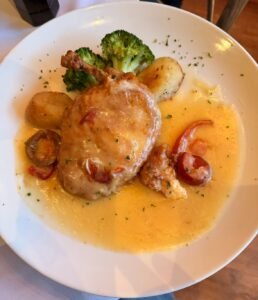
For our entrées, we ordered the Tomahawk for Two, which was cooked well and tasted excellent—flavorful, tender, and clearly prepared with care. The Chicken Olivetta, featuring a parmesan crust with white wine lemon sauce and cherry peppers, was another standout dish, offering a great balance of richness and brightness.

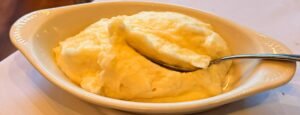
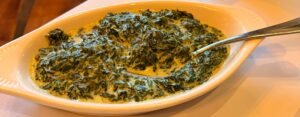
On the side, the creamed spinach and mashed potatoes were both very good and complemented the main dishes nicely.

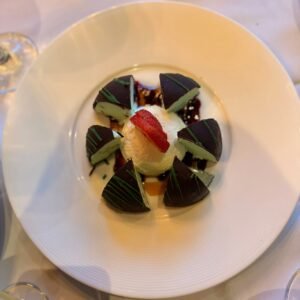
To finish the evening, we shared the Pistachio Tartufo, a satisfying dessert to close out the meal. A thoughtful touch from the owner elevated the experience further when we were treated to grappa and limoncello after dinner. The grappa was enjoyable, while the limoncello would have benefited from being served chilled.

Overall, we had a wonderful night at Olivetta. Between the welcoming hospitality, warm atmosphere, strong drink menu, and several standout dishes, it’s a place we would happily return to. The owner also operates several other nearby restaurants, which definitely sparked our interest in exploring more of what they have to offer.

A very enjoyable evening overall — 8.7/10.

Jeju Noodle Bar delivers an elevated take on South Korean comfort food in a setting that feels effortlessly cool, cozy, and refreshingly unpretentious. Despite its small footprint, the restaurant has a warm, intimate energy with a fun, casual vibe that makes the experience feel special without being overly formal. It’s easy to see why this West Village gem has earned recognition as the only noodle restaurant in the world with a Michelin starthe focus on high-quality ingredients and bold flavors is evident throughout the meal.

The atmosphere is stylish yet relaxed, making it an ideal place to enjoy inventive Korean-inspired dishes in a lively environment. While the service was just OK and could have been more attentive or helpful with recommendations, the food itself more than made up for it. Keep in mind that the bar selection is somewhat limited, primarily offering beer, wine, sake, and soda, rather than a full cocktail program.

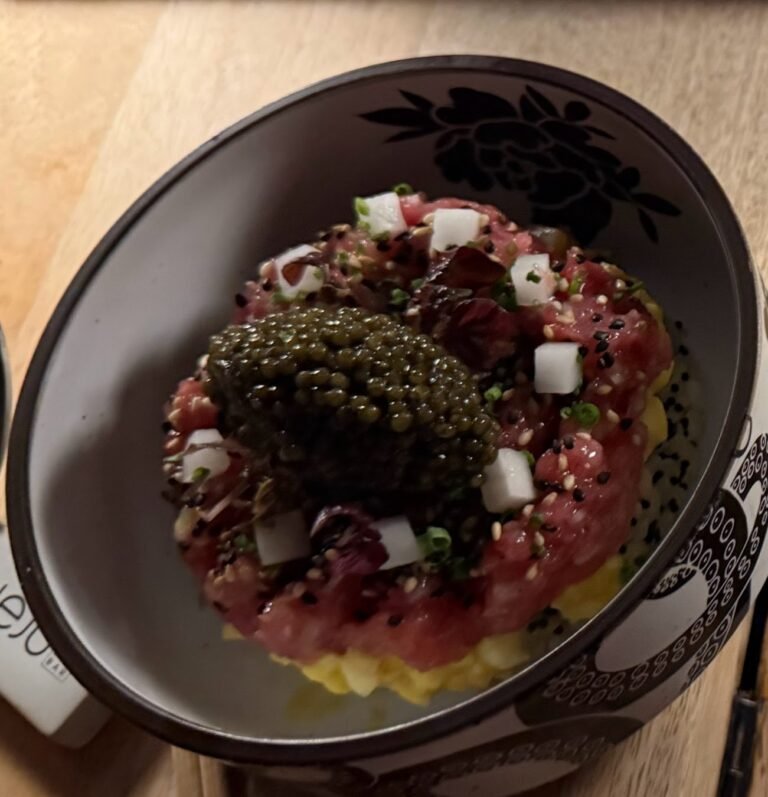
We started with the Toro SSAM Bap, which turned out to be the standout dish of the evening. Featuring fatty tuna, scrambled egg, tobiko, shallots, jalapeño, toasted seaweed, and golden Osetra caviar, it was incredibly fresh, layered with flavor, and beautifully balanced. Rich yet delicate, this was probably everyone’s favorite dish of the night.

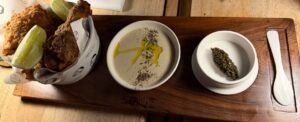
The Jeju Fried Chicken was another highlight—perfectly crispy with zero grease, packed with flavor, and served alongside a yogurt dip and caviar, adding a fun upscale twist to a comfort-food classic.

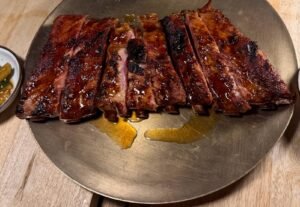
The Jeju Ribs, a half rack of St. Louis pork ribs glazed with maple syrup and black bean sauce and accompanied by banchan, delivered great flavor and tenderness, making for another satisfying course.

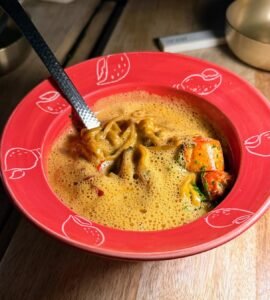
For noodles, we ordered the Lobster Myun, featuring lobster, Calabrian chili, Korean miso, coconut milk, and lobster emulsion. This dish was the one mixed experience of the night. While the others in my party really enjoyed it, I personally found it too salty with a slightly burnt flavor, somewhat reminiscent of a rich lobster bisque.

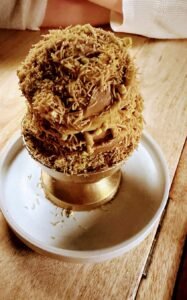
To finish, we ended on a sweet note with the soft-serve Chocolate Dubai ice cream, a fun and satisfying dessert to cap off the meal.

Overall, Jeju Noodle Bar is a unique dining experience that combines Michelin-level ingredients with a casual, approachable atmosphere. If you enjoy creative Korean comfort food and don’t mind a cozy space, it’s absolutely worth a visit—especially for the Toro SSAM Bap and Jeju Fried Chicken.

Definitely worth a trip back.

Rating 8.2/10


Il Corso is the kind of charming neighborhood Italian bistro that immediately makes you feel welcome. Cozy, inviting, and full of great energy, this small restaurant delivers an excellent dining experience without any pretension. The vibe is warm and lively, with additional seating tucked away in the back, creating an intimate setting that feels perfect for a relaxed lunch or dinner. From the moment we walked in, we were greeted warmly, and the service remained attentive and polished throughout — on point without ever feeling stuffy or intrusive. The drink menu was also solid, offering plenty of good options to complement the meal.

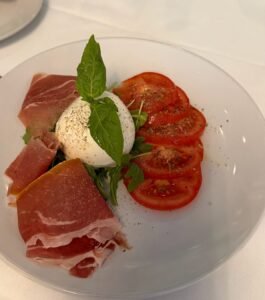
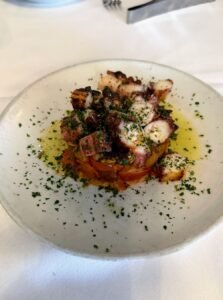
The food was outstanding across the board, with every pasta dish proving just how well Il Corso handles classic Italian flavors. We started with the Mozzarella di Bufala e Prosciutto, featuring creamy buffalo milk mozzarella, delicate Parma prosciutto, and fresh vine-ripened tomatoes — simple, fresh, and very tasty. The Polipo alla Griglia was excellent: perfectly grilled Portuguese octopus served with potatoes, marinated grape tomatoes, and black olives, creating a flavorful and beautifully balanced appetizer.

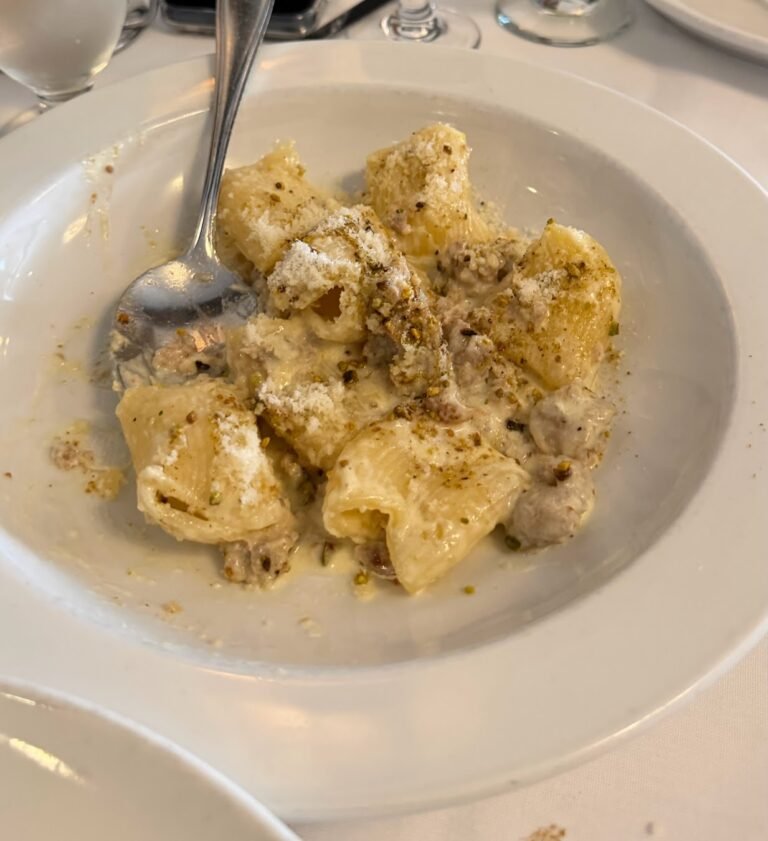
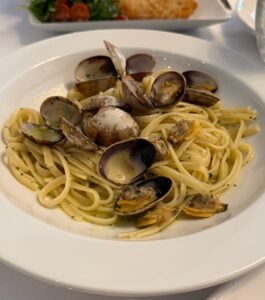
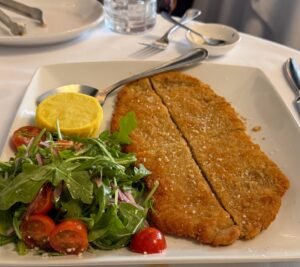
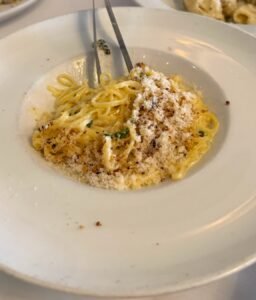
For the main course, the pasta truly stole the show. The Tagliolini al Limone was bright and refreshing, with fresh tagliolini pasta tossed in lemon zest, lemon juice, parmigiano cheese, fresh basil, and toasted lemon-zest breadcrumbs that added wonderful texture and flavor. The Paccheri con Crema di Pistacchio e Salsiccia was probably the standout dish of the meal — fresh tube pasta with sweet sausage, mascarpone, and pistachio cream that was rich, comforting, and incredibly flavorful. The Linguine alle Vongole, prepared with cockle clams, parsley, garlic, white wine, and olive oil, was equally delicious and tasted wonderfully fresh. We also enjoyed the Battuta di Vitello alla Milanese, a classic pan-fried breaded veal cutlet served with arugula, grape tomatoes, and red onion — very good and perfectly executed.

To finish, we shared an affogato and an iced coffee, the perfect ending to an excellent lunch. Every sauce was deeply flavorful, every pasta dish was terrific, and the overall experience made it clear why this cozy spot has such appeal. Il Corso is a neighborhood gem with delicious food, attentive service, and a welcoming atmosphere that absolutely makes you want to return again.

Rating 8.8/10


Our Southeast Asia journey began on April 11th as we departed on Cathay Pacific for what would become an unforgettable blend of luxury, culture, history, and extraordinary culinary experiences across Bali, Indonesia, Singapore, Vietnam, Cambodia, and Thailand.

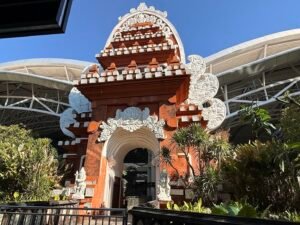
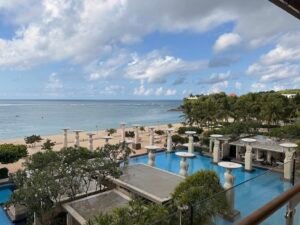
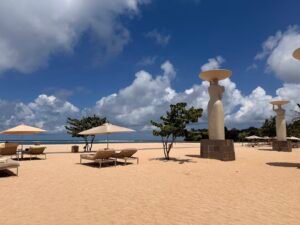
We arrived in Bali on April 12th and checked into the magnificent Mulia Resort in Nusa Dua, where we stayed through April 16th. Set along the pristine white sands of Nusa Dua Beach overlooking the Bali Sea, the resort immediately set the tone for the trip. The property was breathtaking in every way — expansive tropical grounds, impeccable service, multiple world-class restaurants featuring Chinese, Japanese, and Thai cuisine, and a luxurious room complete with a private hot tub on our balcony. It was the perfect place to unwind after the long journey, and the beach service and overall hospitality were among the best we have ever experienced.

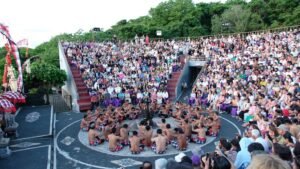
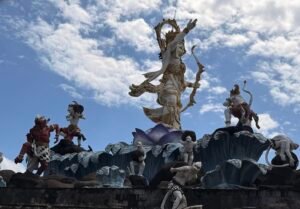
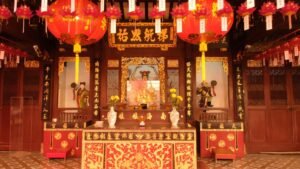
After a day of pure relaxation, we met our private guide and traveled to the spectacular Uluwatu Temple, dramatically perched atop a 70-meter cliff overlooking the Indian Ocean. Dating back to the 11th century, the temple offered sweeping panoramic views made even more magical by the golden hues of sunset. As evening approached, we attended the famous Kecak Fire Dance performance held in the temple’s open-air amphitheater. The rhythmic chanting of dozens of performers, combined with the blazing sunset and dramatic storytelling from the Ramayana epic, created one of the most mesmerizing cultural experiences of the trip.

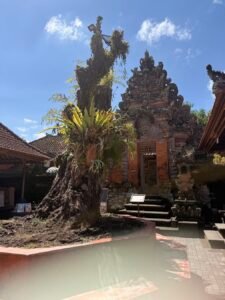
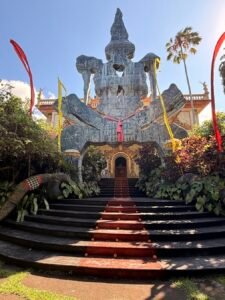
On our final day in Nusa Dua, we explored the artistic and spiritual heart of Bali — Ubud. We began at the Sacred Monkey Forest, a lush sanctuary filled with ancient Hindu temples, moss-covered statues, and playful macaques roaming freely through the jungle setting. We then visited a local community space where we learned how to create Canang Sari, the small floral offerings central to daily Balinese spiritual life. Walking through Ubud’s vibrant art market gave us a glimpse into the island’s creative soul before we visited the former home of renowned painter and architect Gusti Nyoman Lempad, one of Bali’s most influential artistic figures. The day concluded at the Blanco Renaissance Museum, once the residence and studio of Antonio Blanco, where we explored a fascinating collection of works spanning his career.

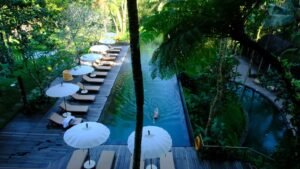
On April 16th, we transferred to Komaneka at Bisma, a serene luxury resort nestled within the tropical rainforest overlooking the Campuhan River Valley. The setting felt absolutely magical. Our villa featured stunning jungle views and a private plunge pool. Unfortunately, our days were packed with extensive touring, leaving little time to fully enjoy the property itself.

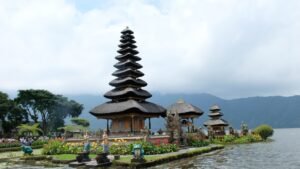
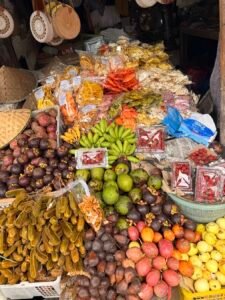
One of our touring days included a visit to the traditional Bedugul Market, where we learned about the spices and herbs central to Balinese cuisine. From there we continued to beautiful Lake Beratan before ending the day at the Royal Temple of Mengwi, a remarkable example of classic Balinese architecture built in 1634 for the Mengwi dynasty.

On April 18th, prior to boarding our cruise, we participated in a private Balinese cooking class that began with a fascinating visit to a local market to select and learn about the fresh ingredients we would later use. It was a wonderful culinary immersion and a perfect farewell to Bali.

Later that day, we boarded the Regent Seven Seas Navigator for a 14-day luxury cruise through Southeast Asia.

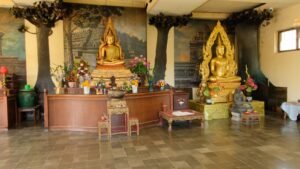
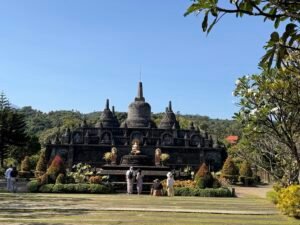
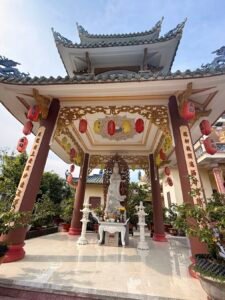
Our first stop on April 19th was Celukan Bawang, Indonesia, where we toured Brahmavihara Buddhist Temple and the Banjar Natural Hot Springs. The temple was peaceful and interesting, while the hot springs themselves were somewhat underwhelming.

On April 20th, we arrived in Surabaya and joined the Surabaya Heritage Tour. We explored Kampong Lawas Maspati Village and observed local cultural traditions before visiting the historic Majapahit Hotel, which served as Japanese headquarters in East Java during World War II.

The following day in Semarang proved to be one of the more adventurous excursions. We toured ancient temples, reaching one of them on horseback after a long and bumpy journey through steep hills and rugged roads. Despite the difficult ride, the experience itself was memorable and rewarding.

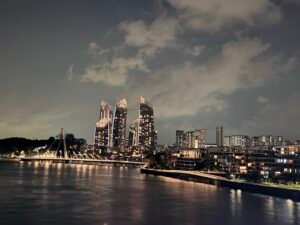
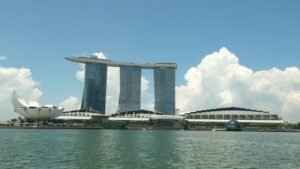
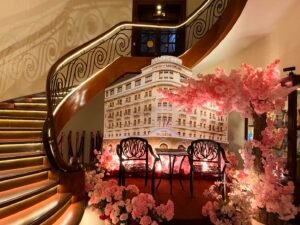
After a relaxing sea day on April 22nd, we arrived in Singapore for a two-day stay. Singapore was truly one of the highlights of the cruise portion of the trip. We visited the legendary Raffles Hotel, birthplace of the iconic Singapore Sling, which we naturally had to try — and it was excellent. We also enjoyed a comprehensive city tour that left us deeply impressed by Singapore’s remarkable transformation over the past fifty years. The cleanliness, efficiency, infrastructure, and overall quality of life were extraordinary. The city felt modern, safe, organized, and incredibly sophisticated.

On April 26th, we arrived in Vietnam, where we spent two days in Ho Chi Minh City and one in Cam Ranh. Our first evening featured an excellent nighttime tour of Saigon complete with a delicious local dinner. The following day included visits to the Reunification Palace and a museum that provided important historical perspective on Vietnam’s complex past. While the city itself felt crowded, dirty, and visibly poor in many areas, the people were welcoming and the food was excellent. We also visited the Ben Thanh Market, which was somewhat disappointing, though we did enjoy a fantastic local meal nearby.

In Cam Ranh on April 28th, we toured the ancient Po Nagar Towers, visited a pagoda, and explored Dam Market. The excursion was interesting, though the intense heat and humidity were exhausting.

After another sea day, we arrived in Cambodia on April 30th. Our tour there was both eye-opening and emotional. We visited a local village and school, gaining insight into everyday life in a country still facing significant economic hardship. Despite the poverty and difficult conditions, the people we encountered were warm, kind, and welcoming. We also had the chance to swim in the ocean, though the water was so warm it felt more like a giant hot tub than the sea.

On May 1st and 2nd, we docked near Bangkok. Since we would later spend additional time in the city itself, we opted for a more local tour of Pattaya, visiting a sanctuary, a floating market, and a large Buddha statue.

On May 2nd, we disembarked the ship and met our outstanding private guide, Kong, who transferred us to the Waldorf Astoria Bangkok, where we stayed for four nights. Kong was exceptional — knowledgeable, professional, personable, and deeply committed to making our experience unforgettable. His excellent English and warm personality elevated every aspect of our stay.

That evening, Kong introduced us to Bangkok through its efficient public transportation system before bringing us to the spectacular Mahanakhon Skywalk rooftop observation deck. Arriving just before sunset allowed us to enjoy sweeping views of Bangkok’s skyline while relaxing with cocktails high above the city.

From there, we headed to one of the most unique dining experiences imaginable: DID — Dine in the Dark — located inside the Sheraton Grande Sukhumvit. Served entirely by visually impaired staff, the meal took place in complete darkness, forcing us to rely solely on taste, smell, and touch. It was an extraordinary and unforgettable experience.

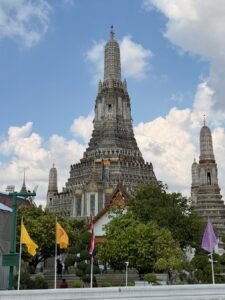
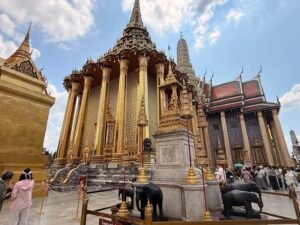
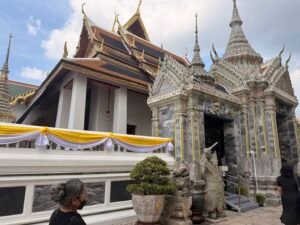
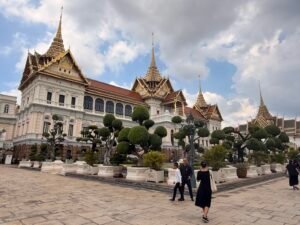
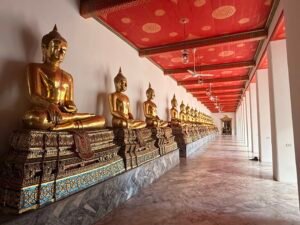
The following day we explored Bangkok’s major landmarks, including the magnificent Grand Palace and several iconic temples while learning about Thailand’s royal and spiritual heritage. The sites were extraordinary, though the intense heat made the day physically challenging.

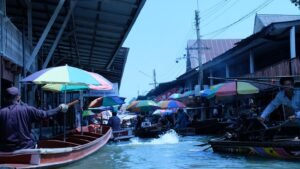
On May 4th, we ventured outside the city to visit the famous railway market, where vendors rapidly clear their goods from the train tracks moments before trains pass directly through the market. Watching the process unfold was fascinating. We then continued to the floating market at Damnoen Saduak. While certainly touristy, it still provided a glimpse into a traditional way of commerce that once defined life along Thailand’s canals.

Our final full day in Bangkok was devoted to food. We participated in a cooking class at the legendary Blue Elephant restaurant, which was absolutely outstanding. That evening we embarked on a twilight culinary journey by tuk tuk through Bangkok’s vibrant streets, sampling exceptional local dishes ranging from Guay Tiew Gai and Pad Thai to seafood sukiyaki. Every stop had been recognized by the Michelin Guide with the Bib Gourmand distinction, and every bite was exceptional.

This remarkable journey through Southeast Asia combined luxury accommodations, fascinating cultural experiences, extraordinary food, and unforgettable moments. Special thanks go to Bebe Halimi, whose expertise and connections helped make every aspect of the trip seamless and truly extraordinary.

Rating 8.7/10

 

Table 8 at The Mulia Resort in Bali offers an outstanding Chinese buffet experience that combines high-quality cuisine, elegant surroundings, and exceptional hospitality. Located inside the luxurious Mulia Resort, the restaurant benefits from both convenience and beautiful views, creating a refined yet cozy atmosphere perfect for enjoying a memorable meal.

The service was one of the highlights of the experience. The staff was attentive, professional, and genuinely welcoming, with many team members exceeding expectations to ensure an enjoyable and seamless dining experience. Their hospitality added a thoughtful touch that made the meal feel even more special.

The buffet itself was impressive, featuring a wide variety of beautifully presented dishes that looked clean, fresh, and incredibly appetizing. From fresh seafood and flavorful appetizers to expertly prepared dim sum and delicious Peking duck, the selection was extensive and thoughtfully curated. Traditional Chinese dishes were packed with bold, authentic flavors, and every item sampled was delicious. The dessert offerings provided a wonderful ending to the meal, with plenty of sweet options to choose from.

In addition to the food, Table 8 also offers a strong drink selection, complementing the dining experience nicely. Between the quality cuisine, excellent presentation, attentive service, and warm ambiance, Table 8 delivers a truly enjoyable dining experience.

Overall Rating: 9.2/10 – A highly recommended destination for anyone visiting The Mulia Resort or seeking an exceptional Chinese buffet experience in Bali.


Little Hen is a charming, English-inspired breakfast and brunch boutique that feels like stepping into a storybook. The space is beautifully designed with soft pastel tones, delicate floral touches, and elegant, homely accents that create a warm yet refined atmosphere. Every detail—from the décor to the plating—reflects a commitment to quality, freshness, and a touch of luxury.

The menu is just as enchanting as the setting, offering a wide array of thoughtfully crafted dishes that make choosing what to order a delightful challenge. The Eggs Benedict with smoked salmon stands out, perfectly balanced with red onion, dill, and a crispy stuffed hash brown. The chicken and waffles deliver a comforting yet elevated take on a classic, while the traditional French toast with bacon strips offers a satisfying blend of sweet and savory.

For something a bit more unique, the rose petal pancakes—paired with rose water-infused maple syrup—bring a delicate, floral twist that feels both indulgent and memorable. The crab quiche, made with French espelette peppers and finished with a rich gruyère gratin, is deeply flavorful, while the Provençal omelette with roasted tomatoes and goat cheese is fresh, vibrant, and beautifully executed.

Every dish is packed with flavor and clearly made with high-quality ingredients. The drinks are equally impressive, with a well-curated selection that complements the brunch experience perfectly.

Service ties everything together—the staff is attentive, friendly, and knowledgeable, offering helpful suggestions and detailed descriptions that enhance the overall experience.

Little Hen is the kind of place where everything looks as good as it tastes, making it a standout destination for a refined, indulgent brunch.

We would definitely return.

Rating 8.8/10

Ezio’s Italian Steak House in Miami Beach brings together the richness of a classic steakhouse with the soul of an Italian kitchen, all wrapped in a stylish, slightly retro atmosphere that feels both familiar and fresh. The space leans into traditional steakhouse design—dark wood, burgundy banquettes, and crisp white tablecloths—while bold Italian artwork and subtle Art Deco touches give it a distinctly Miami edge.

The meal starts strong with a well-executed lineup of appetizers. The shrimp cocktail features large, plump shrimp paired with a Calabrian chili cocktail sauce that adds just the right amount of heat. A seasonal selection of East Coast oysters is equally impressive—fresh, clean, and served with all the proper accompaniments. The beef and lamb meatballs are a standout: tender, flavorful, and elevated by basil, pomodoro, and creamy stracciatella, especially when paired with the warm focaccia, which is an excellent addition for soaking up every bit of sauce.

Pastas show real promise, even if execution isn’t entirely consistent. The garganelli with braised veal delivers on flavor, finished with celery leaf and Parmigiano Reggiano, though it arrives slightly undercooked and not quite hot enough. On the other hand, the spaghettini with littleneck clams is a highlight—bright, fresh, and perfectly balanced with lemon and parsley.

From the grill, the 12oz Snake River Farms Wagyu zabuton is very well prepared, showcasing the restaurant’s strength in handling high-quality cuts. The menu overall offers an impressive selection of dry-aged steaks and chops, including a showstopping 32-ounce bone-in ribeye aged for 55 days. Sides like creamed spinach are classic and satisfying, rounding out the steakhouse experience nicely.

Dessert keeps things simple but memorable—the vanilla ice cream with olive oil drizzle is unexpectedly excellent, combining richness and subtle savory notes.

The bar program is thoughtful and well-stocked, with a strong wine selection and a mix of classic and creative cocktails. Drinks like the “Italian in Juárez,” made with mezcal, amaro, Italicus, and fresh lime, reflect a willingness to push beyond the expected.

Ezio’s overall delivers “fantastic food” with particular strengths in its appetizers, pastas, and premium meats. The ambiance is undeniably beautiful, with a lively, slightly Brooklyn-inspired vibe that sets it apart from more traditional steakhouses. Service, while pleasant, could benefit from more attentiveness and polish to match the quality of the cuisine.

All things considered, Ezio’s is a welcome addition to North Beach—stylish, flavorful, and absolutely worth the trip.

Rating 8.3/10

Thanks to Harrison in Hollywood, Florida delivers a polished, modern dining experience that strikes a nice balance between upscale and approachable. The space itself is clean and thoughtfully designed, creating a relaxed yet refined atmosphere that works just as well for a full dinner as it does for cocktails and small plates.

The bar program stands out, with a strong selection of spirits and well-crafted drinks that are clearly made with care. It’s the kind of place where starting—or ending—the evening with a cocktail feels like part of the experience rather than an afterthought.

The menu leans elevated and a bit indulgent, with dishes that showcase bold flavors and thoughtful presentation. Highlights from the table included the duck liver pâté paired with cranberry jam and brioche, which delivered a rich, balanced bite, and the beef tartare with stracciatella and black truffle, offering a decadent, silky texture. The porcini mushroom risotto was comforting and earthy, while the Sicilian-style octopus brought a nice contrast in both texture and brightness.

The duck breast sous-vide with truffle purée leaned into deeper, more luxurious flavors, rounding out the savory portion of the meal. A simple side of spaghetti added a more classic touch to the spread. To finish, desserts kept the experience interesting—the Basque cheesecake with Nutella sauce was rich and satisfying, while the vanilla ice cream with truffle added an unexpected, slightly savory twist.

Service was another strong point. The waitress was friendly, attentive, and knowledgeable, offering helpful suggestions that enhanced the overall experience.

Not every dish landed equally for everyone at the table, but that’s often the case with a menu that takes some creative risks. Overall, Thanks to Harrison is a solid choice whether you’re looking for a full dinner or just a few appetizers and drinks. It’s a place worth returning to, especially if you enjoy a menu that mixes classic comfort with a more elevated, modern edge.

Rating 7.8/10